-
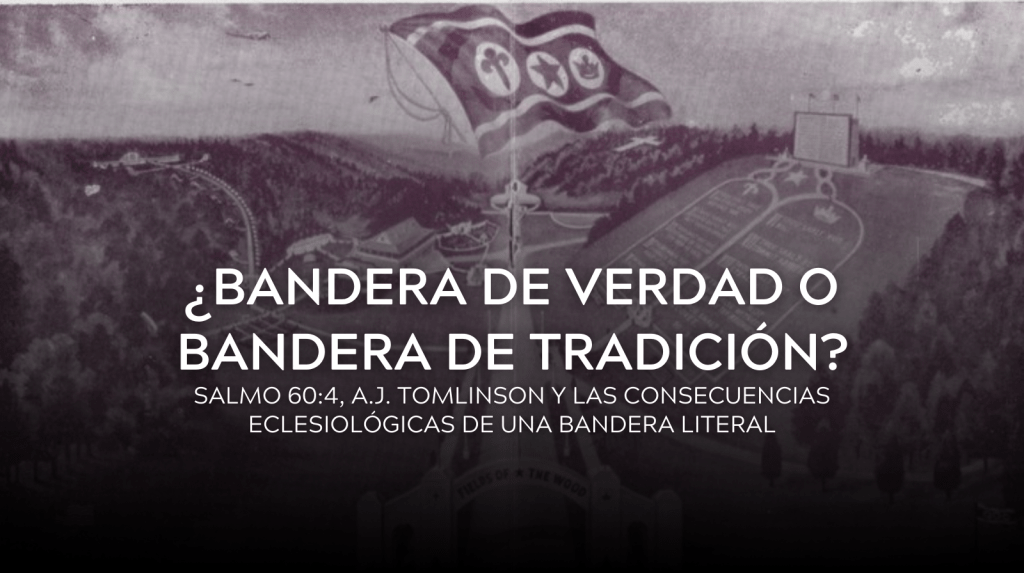 Continue reading →: ¿Bandera de Verdad o Bandera de Tradición? Salmo 60:4, A.J. Tomlinson y las Consecuencias Eclesiológicas de una Bandera Literal
Resumen El Salmo 60:4 declara: “Has dado a los que te temen bandera, Que alcen por causa de la verdad. Selah.” Dentro de ciertas tradiciones Pentecostales de Santidad, este versículo ha sido interpretado como autorización divina para la creación y el uso institucional de una bandera literal de iglesia, particularmente…
-
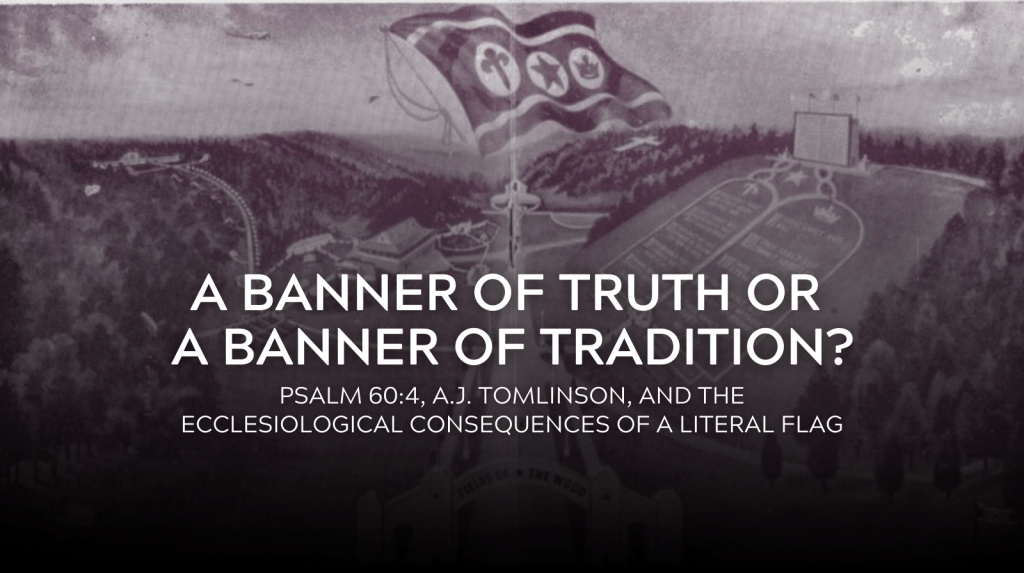 Continue reading →: A Banner of Truth or a Banner of Tradition? Psalm 60:4, A.J. Tomlinson, and the Ecclesiological Consequences of a Literal Flag
Abstract Psalm 60:4 declares in the King James Version, “Thou hast given a banner to them that fear thee, that it may be displayed because of the truth. Selah.” Within certain Pentecostal-Holiness traditions, this verse has been interpreted as divine authorization for the creation and institutional use of a literal…
-
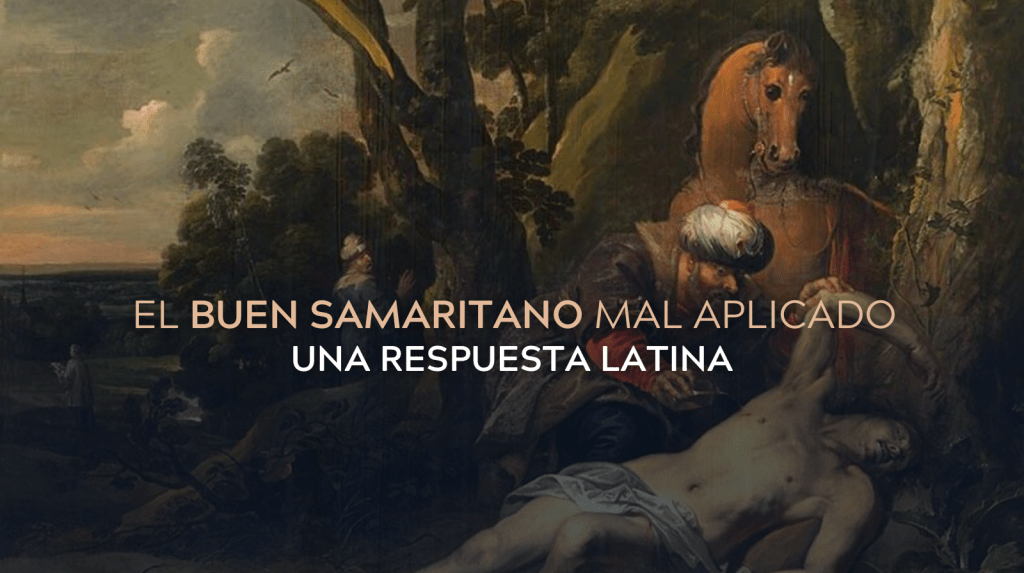 Continue reading →: El Buen Samaritano Mal Aplicado: Una Respuesta Latina
Resumen La parábola del Buen Samaritano en Lucas 10:25–37 ha sido invocada con frecuencia en debates políticos contemporáneos, particularmente en discusiones relacionadas con la inmigración y las políticas fronterizas. Algunos han sugerido que si Jesús hablara hoy, sustituiría al samaritano por un inmigrante indocumentado moderno para reproducir el impacto original…
-
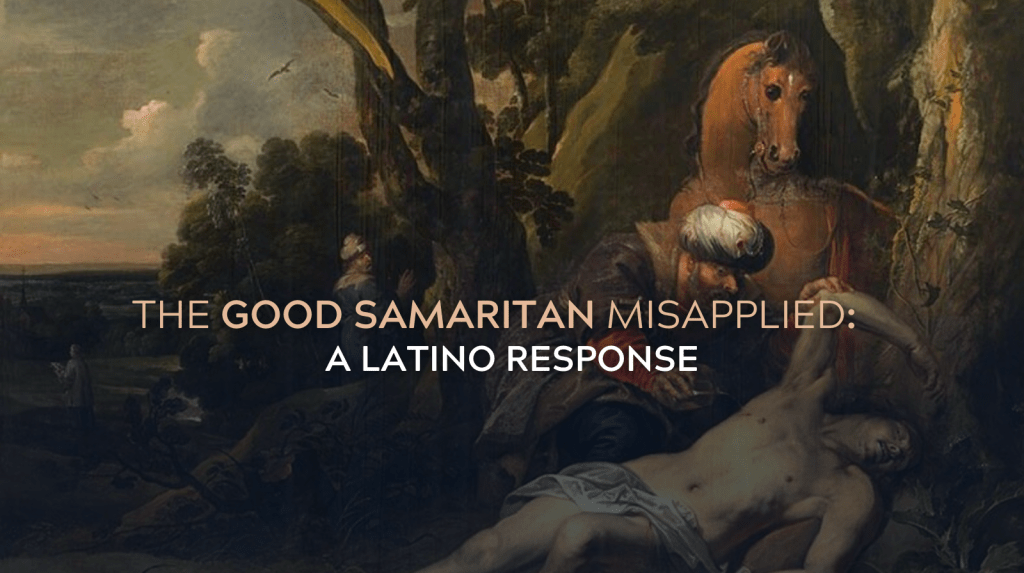 Continue reading →: The Good Samaritan Misapplied: A Latino Response
Abstract The parable of the Good Samaritan in Luke 10:25–37 has frequently been invoked in contemporary political debates, particularly in discussions surrounding immigration and border policy. Some have suggested that if Jesus were speaking today, He would substitute the Samaritan with a modern undocumented immigrant in order to reproduce the…
-
 Continue reading →: La División de la Pascua: Constantino, la Teología del Reemplazo y las Raíces Olvidadas de la Iglesia
Resumen Pocos momentos históricos han generado tanta controversia teológica como el Concilio de Nicea en el año 325 d.C. bajo el emperador Constantino. Muchos sostienen que Constantino “corrompió” la Pascua, separó al cristianismo de sus raíces judías y formalizó una teología del reemplazo que continúa influyendo en el pensamiento cristiano…
-
 Continue reading →: The Passover Divide: Constantine, Replacement Theology, and the Church’s Forgotten Roots
Abstract Few historical moments have generated more theological controversy than the Council of Nicaea in AD 325 under Emperor Constantine. Many argue that Constantine “corrupted” Passover, severed Christianity from its Jewish roots, and formalized a replacement theology that continues to influence Christian thought and even fuel antisemitism today. Others insist…
-
 Continue reading →: Leadership Beyond Titles: A Biblical Case for Process, Calling, and Character
Abstract: Leadership is often described in modern terms as traits, formal position, or social emergence, yet Scripture presents leadership as a relational reality that unfolds through influence, calling, and proven character. This article argues that leadership is best understood as a process of spiritual and practical influence within a community,…
-
 Continue reading →: Liderazgo Servicial y Organización de la Iglesia
Resumen: La teoría del liderazgo ofrece muchos modelos sobre cómo las organizaciones construyen visión, influyen en las personas y sostienen resultados. Sin embargo, las iglesias operan como organizaciones y como comunidades espirituales, lo que significa que el liderazgo debe evaluarse no solo por su eficacia, sino también por su integridad,…
-
 Continue reading →: Servant Leadership and Church Organization
Abstract: Leadership theory offers many models for how organizations build vision, influence people, and sustain outcomes. Churches, however, operate as both organizations and spiritual communities, which means leadership must be evaluated not only by effectiveness but also by integrity, care, and the kind of community it forms. This article argues…
-
 Continue reading →: Leadership and Academic Disciplines: An Integral Approach
Leadership cannot be properly understood if it is examined in isolation. Any serious reflection on this subject requires engagement with the academic disciplines that have studied its nature, function, and impact on society. Sociology, organizational theory, and public service leadership offer complementary frameworks that allow us to approach leadership from…
-
 Continue reading →: Liderazgo y Disciplinas Académicas: Un Enfoque Integral
El liderazgo no puede comprenderse adecuadamente si se analiza de manera aislada. Toda reflexión seria sobre este tema requiere considerar las disciplinas académicas que han estudiado su naturaleza, su función y su impacto en la sociedad. La sociología, la teoría organizacional y el liderazgo en el servicio público ofrecen marcos…
-
 Continue reading →: Doctrine Before Devotion? Why Children Need Theology Earlier Than We Think
For decades, much of children’s ministry has operated on a well-intentioned assumption: children must first feel faith before they can meaningfully understand it. Doctrine is postponed, theology delayed, and conceptual formation reserved for a later stage of maturity. What comes first is experience, songs, stories, emotions, while belief is expected…
-
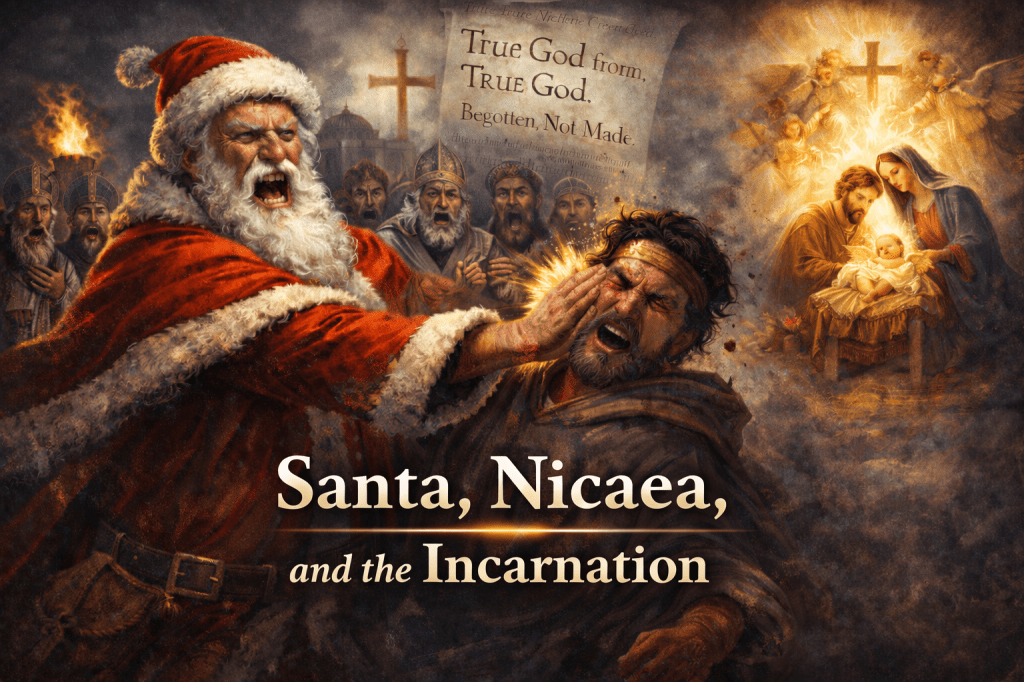 Continue reading →: Santa, Nicaea, and the Incarnation
Abstract Every Christmas season a story circulates that the man who would later inspire Santa Claus was present at the Council of Nicaea, became so angry during the debate over Christ’s divinity that he struck an opponent, was removed, and later restored. Some repeat it as settled history. Others reject…
-
 Continue reading →: Janucá y la Cuestión de la Verdadera Adoración
Janucá, una festividad judía surgida de la resistencia ante la autoridad seléucida, simboliza la lucha por la autenticidad religiosa. En el siglo I, se convierte en un marco crítico para las afirmaciones de Jesús. La festividad resalta preguntas sobre autoridad y santidad, relevantes tanto para cristianos como para judíos hoy.
-
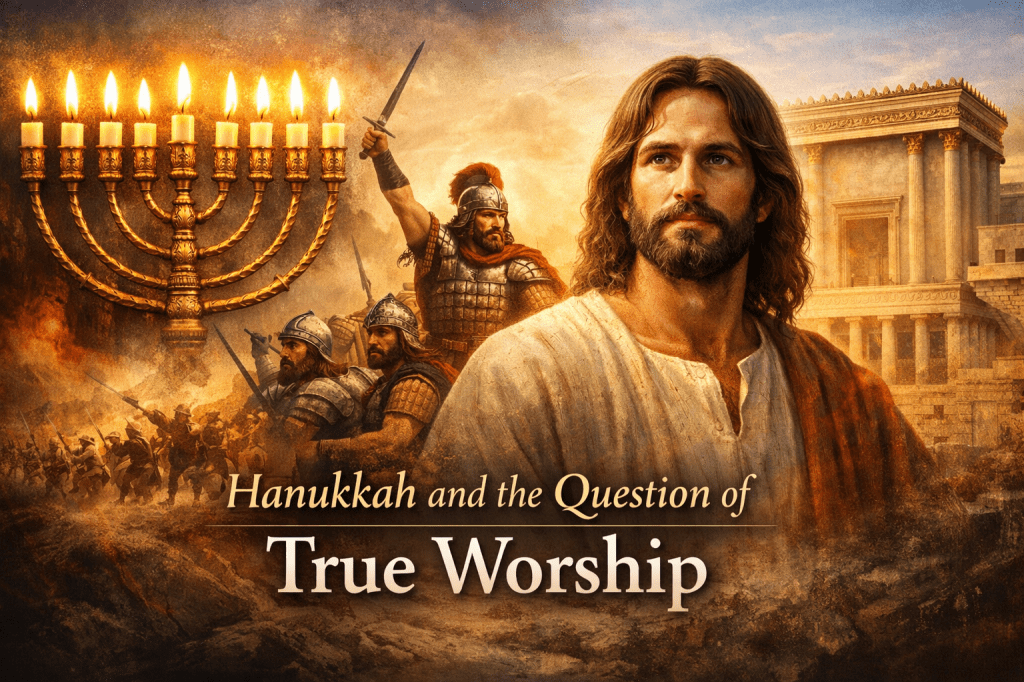 Continue reading →: Hanukkah and the Question of True Worship
Hanukkah, originating from Israel’s resistance against illegitimate authority during the Seleucid rule, serves as a theological memory rather than mere celebration. Its historical significance frames the Gospel of John’s depiction of Jesus, emphasizing his identity claims amidst lingering questions of holiness and sacred authority, inviting deeper reflection from both Jewish…
-
 Continue reading →: Rechazados en Nombre de la Teocracia: A.J. Tomlinson y el Ascenso de una Identidad Eclesial Exclusivista
El movimiento de la Iglesia de Dios en los Apalaches, bajo A. J. Tomlinson, experimentó un crecimiento significativo, pero también una rigidez eclesial tras la crisis de 1923. Esta perspectiva exclusivista resultó en un fuerte sentido de lealtad hacia la iglesia como única expresión del Cuerpo de Cristo, creando aislamiento…
-
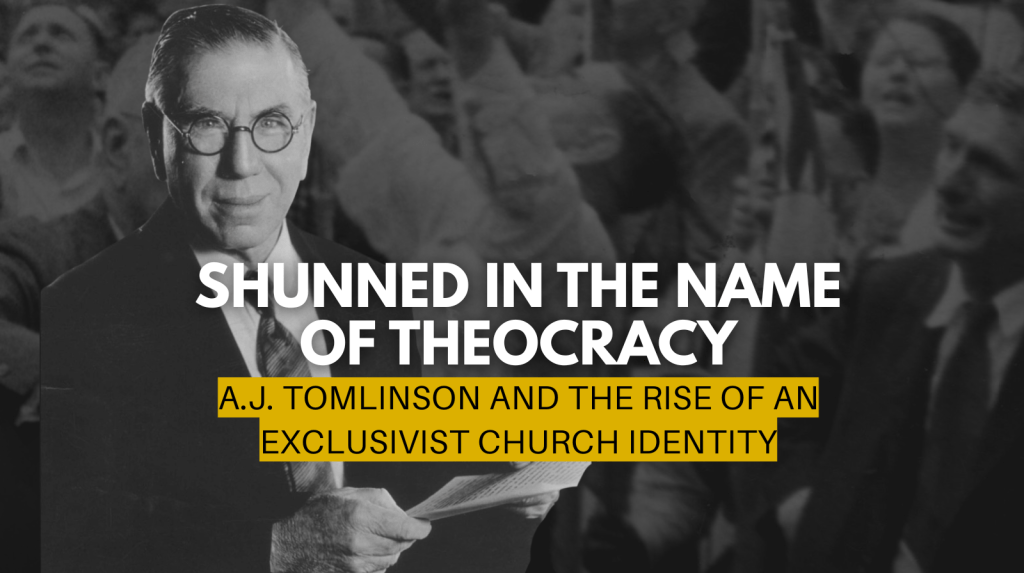 Continue reading →: Shunned in the Name of Theocracy: A.J. Tomlinson and the Rise of an Exclusivist Church Identity
The Church of God movement in the Appalachian South, under A. J. Tomlinson, evolved through revival, organizational growth, and rigidity. Following a 1923 crisis, Tomlinson emphasized exclusivity, viewing his group as the only true Church. This led to shunning and social isolation for dissenters, creating a lasting theological and emotional…
-
 Continue reading →: Why the World Is Real: Debunking the Simulation Myth
The article discusses the prevalence of simulation theory, particularly among younger generations, and argues against its validity using biblical teachings. It emphasizes that reality is grounded in God’s creation, asserting that the physical world is real and meaningful. It encourages compassionate discussions to address doubts and guide individuals toward understanding…
-
 Continue reading →: A.J. Tomlinson: Populismo, Poder y el Nacimiento de una Identidad Sectaria
Este artículo analiza cómo el populismo estadounidense de finales del siglo diecinueve influyó en la eclesiología de A.J. Tomlinson, líder pentecostal. Su desconfianza hacia la autoridad institucional y su postura anti-educativa moldearon la identidad religiosa. A pesar de las reformas contemporáneas, las raíces populistas persisten en grupos derivados de la…
-
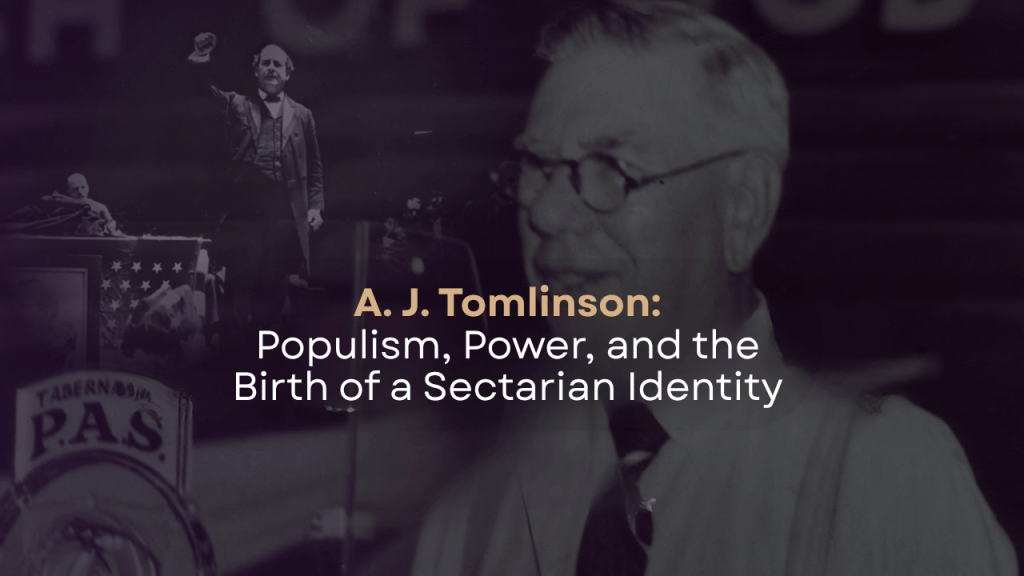 Continue reading →: A.J. Tomlinson: Populism, Power, and the Birth of a Sectarian Identity
This article explores the impact of late nineteenth-century American populism on A.J. Tomlinson’s religious leadership within early Pentecostalism. It argues that Tomlinson’s populist background influenced his ecclesiology, fostering anti-institutional sentiment, skepticism toward educated clergy, and a sectarian identity that persists in some modern Pentecostal groups, despite reforms.


Speaker. Author. Theologian. Exploring faith, culture, and life through the lens of Scripture. Here to share deep reflections, fresh insights, and stories that inspire.
Let’s connect
Stay up to date
Stay updated with my latest post and articles.
AJTomlinson Antisemitism antisemitismo bible Biblia blog christianity clevelandtn Cristianismo cultura culture cumplimiento David doctrina doctrine English Español Faith fe gaza genz god hamas hechos15 Holocaust holocausto Israel jesus Judaism Judaismo Leadership Liderazgo pablo palestine Pecado poesia replacement salvacion salvation Talmud Teologia Theology tomlinson tradicion Tradition
 Dr. Nathan J. Bonilla