-
 Continue reading →: Defending the Gospel Without Contempt
The article emphasizes the importance of respecting the Jewish roots of Christianity, arguing that any theology that slanders the Jewish people undermines the gospel. It calls for Christians to recognize their faith’s foundations in Israel, uphold the covenant, and practice gratitude towards Israel while preaching reconciliation and mercy, reflecting God’s…
-
 Continue reading →: Why the Land of Israel Still Matters to God
Many believers question the significance of Israel in God’s plans. The land symbolizes God’s covenant faithfulness and redemption through Christ, linking history and geography. While the New Testament emphasizes the person of Christ over the land, the land remains essential, representing God’s presence and future renewal of creation, affirming His…
-
 Continue reading →: Fe Sin Raíces: El surgimiento histórico de la Teología del Reemplazo
El texto explica la metáfora del olivo utilizada por Pablo en Romanos para fomentar la humildad entre los creyentes gentiles que se han injertado en las promesas de Dios sin reemplazar a Israel. Destaca la importancia de reconocer las raíces judías del cristianismo y la necesidad de unidad, no de…
-
 Continue reading →: Rootless Faith: The Historical Rise of Replacement Theology
Paul’s olive tree metaphor emphasizes the unity between Gentile and Jewish believers, highlighting humility and connection to God’s covenant. Historically, pride led to replacement theology, overshadowing this truth. Today, the church must recognize its roots in Jewish tradition, honoring Israel while affirming its identity as grafted branches in God’s enduring…
-
 Continue reading →: ¿Quién posee la tierra? Comprendiendo la compleja reclamación de Israel a su patria
La cuestión de la tierra de Israel es compleja, entrelazando historia, religión y nacionalismo. Desde el dominio otomano hasta el conflicto árabe-judío, se presentan reclamaciones religiosas, históricas y legales. La paz duradera requiere reconocer tanto los lazos judíos como las experiencias palestinas, buscando justicia y compasión en el proceso.
-
 Continue reading →: Who Owns the Land? Understanding Israel’s Complex Claim to Its Homeland
The land ownership debate in Israel intertwines historical, legal, and religious narratives spanning centuries. The initial coexistence under Ottoman rule shifted with rising nationalism, leading to conflicting claims from Jews and Arabs. Both groups possess deep ties to the land, complicating efforts for lasting peace, recognized through historical and religious…
-
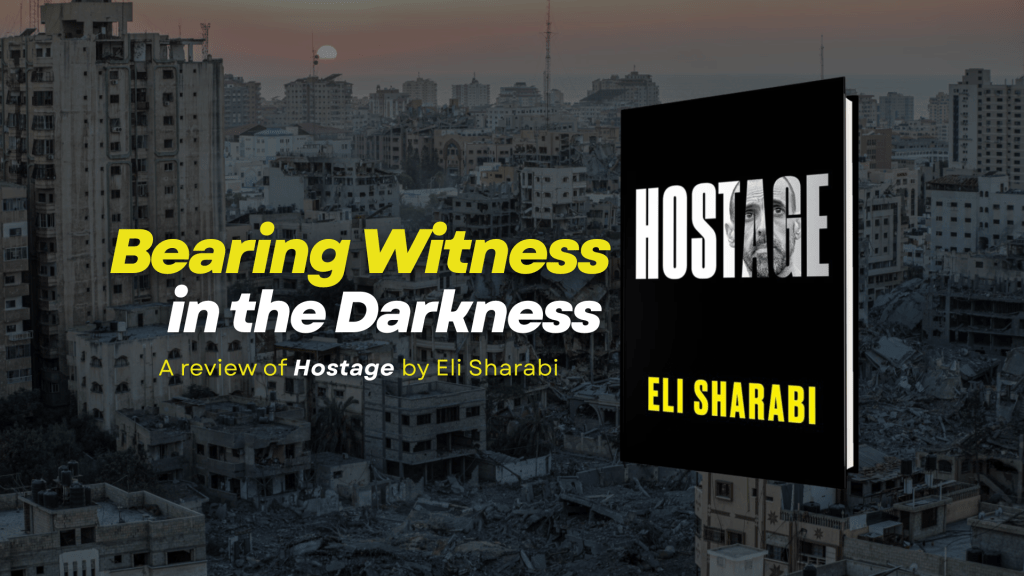 Continue reading →: Bearing Witness in the Darkness: A review of Hostage by Eli Sharabi
In Hostage, Eli Sharabi recounts the unimaginable—491 days as a captive after Hamas’s October 7th attack on Kibbutz Be’eri. His story is raw and redemptive, revealing how faith, love, and the will to live can survive even in the darkest tunnels of terror. Through quiet strength and heartbreaking honesty, Sharabi…
-
 Continue reading →: La Israel de Dios: Unidad sin Reemplazo
El papel de Israel en la redención divina es un tema teológico debatido. Los defensores de la “teología del cumplimiento” arguyen que la Iglesia reemplaza a Israel, lo que puede fomentar el antisemitismo. Sin embargo, la Escritura sostiene que Israel tiene un papel continuo y también que la salvación es…
-
 Continue reading →: The Israel of God: Unity without Replacement
The debate on Israel’s role in God’s redemptive plan remains significant in theology, impacting Christian preaching and interfaith relations. Advocates of “fulfillment theology” argue that the Church has replaced Israel, undermining its covenantal identity. However, biblical evidence affirms Israel’s enduring significance, maintaining that salvation through Christ does not erase Israel’s…
-
 Continue reading →: He Tabernacled Among Us
Christians and Jews have distinct approaches to Scripture, yet both revere the God who speaks. This article explores John 1:14’s significance, emphasizing the Word’s incarnation as a return of God’s presence akin to the Tabernacle. It highlights the interplay of glory, covenant, and faithfulness, fostering dialogue between Jewish and Christian…
-
 Continue reading →: Reading Romans with the Hebrew Bible in Hand
This article argues that Paul’s articulation of the gospel fundamentally relies on the Hebrew Bible, emphasizing its Jewish foundations. By examining Paul’s letters, especially Romans, the text shows that his teachings on sin, redemption, and salvation echo the Torah and Prophets, presenting the gospel as the fulfillment rather than replacement…
-
 Continue reading →: La decisión del TIFF y el secuestro de la verdad
Resumen La retirada por parte del Festival Internacional de Cine de Toronto (TIFF) de un documental sobre la masacre de Hamás del 7 de octubre por la falta de “permiso” de Hamás constituye un grave fracaso moral y refleja patrones antisemitas. Vista a través de las Escrituras, la historia judía…
-
Continue reading →: TIFF’s Decision and the Hostage of Truth
Abstract The Toronto International Film Festival’s withdrawal of a documentary on the October 7 Hamas massacre over the lack of “permission” from Hamas marks a serious moral failure and reflects antisemitic patterns. Viewed through Scripture, Jewish history, and Christian theology, the decision grants narrative control to perpetrators, undermines truth, and…
-
 Continue reading →: “No Soy Antisemita” No Es Suficiente: Un Llamado a la Claridad Pastoral sobre Israel
El creciente antisemitismo y la confusión sobre la enseñanza bíblica respecto a Israel demandan que los pastores hablen con claridad y certeza. Este artículo enfatiza la importancia de guiar a las congregaciones en la verdad, resaltando que apoyar a Israel es afirmar el pacto de Dios y abordar la desinformación…
-
 Continue reading →: ‘I’m Not Antisemitic’ Isn’t Enough: A Call for Pastoral Clarity on Israel
As antisemitism rises, pastors are urged to address Israel’s significance biblically, reaffirming God’s covenant promises. Congregants often grapple with the intersection of theology and current events, requiring pastors to provide clarity and compassion. Emphasizing truth without neglecting empathy is crucial in fostering a biblically informed congregation amid cultural confusion.
-
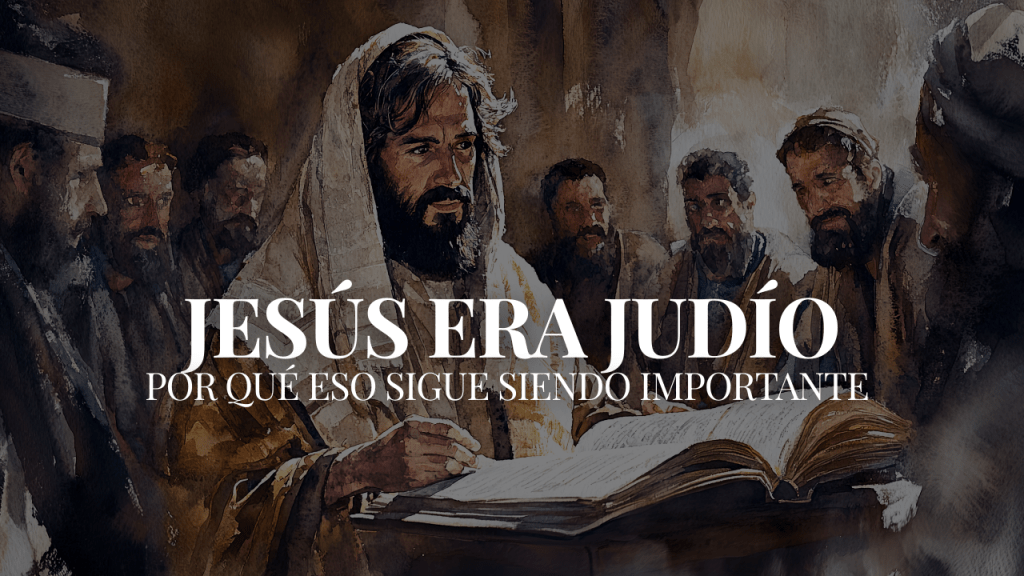 Continue reading →: Jesús era Judío — Por qué eso sigue siendo importante
El artículo destaca que la identidad judía de Jesús es fundamental para la teología cristiana, afectando la interpretación bíblica y el entendimiento de la Iglesia. Al reconocer esta conexión, se busca restaurar la narrativa del Evangelio y corregir malentendidos históricos que han llevado al antisemitismo, subrayando la continuidad del pacto…
-
 Continue reading →: Jesus Was Jewish—Why That Still Matters
Affirming Jesus’ Jewish identity is essential for understanding Christian theology, discipleship, and worship. This recognition roots the Gospel in its historical context, fosters unity in Scripture, and addresses antisemitism. By reclaiming Jesus’ Jewishness, the Church can restore its foundation, emphasizing covenantal continuity and the ongoing role of Israel in God’s…
-
 Continue reading →: Dios se está moviendo—solo que no donde tú piensas.
El artículo analiza un renacimiento espiritual entre la Generación Z, que ocurre fuera de las estructuras tradicionales. A través de espacios digitales y adoración espontánea, estos jóvenes buscan relaciones auténticas con Dios, desafiando el legalismo y la tradición. El avivamiento se manifiesta en una creciente conexión personal con Cristo y…
-
 Continue reading →: God Is Moving—Just Not Where You Think
Recent data indicate a spiritual resurgence among Gen Z, challenging traditional church structures. With gatherings in unconventional spaces and a focus on authentic encounters with God, this grassroots movement emphasizes personal relationships over denominational labels. As church attendance stabilizes, young people demonstrate a deep desire for transformation, rejecting legalism for…
-
 Continue reading →: Judío y Gentil en Una Sola Mesa: La Significancia Teológica de Hechos 15
El artículo reexamina el Decreto Apostólico de Hechos 15:20, que instruye a los gentiles a abstenerse de ciertas prácticas. Analiza su contexto cultural y teológico, argumentando que estas prohibiciones eran estrategias pastorales para mantener la unidad entre judíos y gentiles, sin imponer leyes mosaicas. La inclusión de los gentiles se…


Speaker. Author. Theologian. Exploring faith, culture, and life through the lens of Scripture. Here to share deep reflections, fresh insights, and stories that inspire.
Let’s connect
Stay up to date
Stay updated with my latest post and articles.
AJTomlinson Antisemitism antisemitismo bible Biblia blog christianity clevelandtn Cristianismo cultura culture cumplimiento David doctrina doctrine English Español Faith fe gaza genz god hamas hechos15 Holocaust holocausto Israel jesus Judaism Judaismo Leadership Liderazgo pablo palestine Pecado poesia replacement salvacion salvation Talmud Teologia Theology tomlinson tradicion Tradition
 Dr. Nathan J. Bonilla